Northwestern Ontario Health Unit Warns of New Nitazene Opioid After 60+ Poisonings in Two Days
Northwestern Health Unit has confirmed a newly detected synthetic opioid, clodesnitazene, in the region's unregulated drug supply after more than 60 poisonings in Kenora over two days -- pharmacists dispensing naloxone and test strips are on the front line of the response.
In this article & details
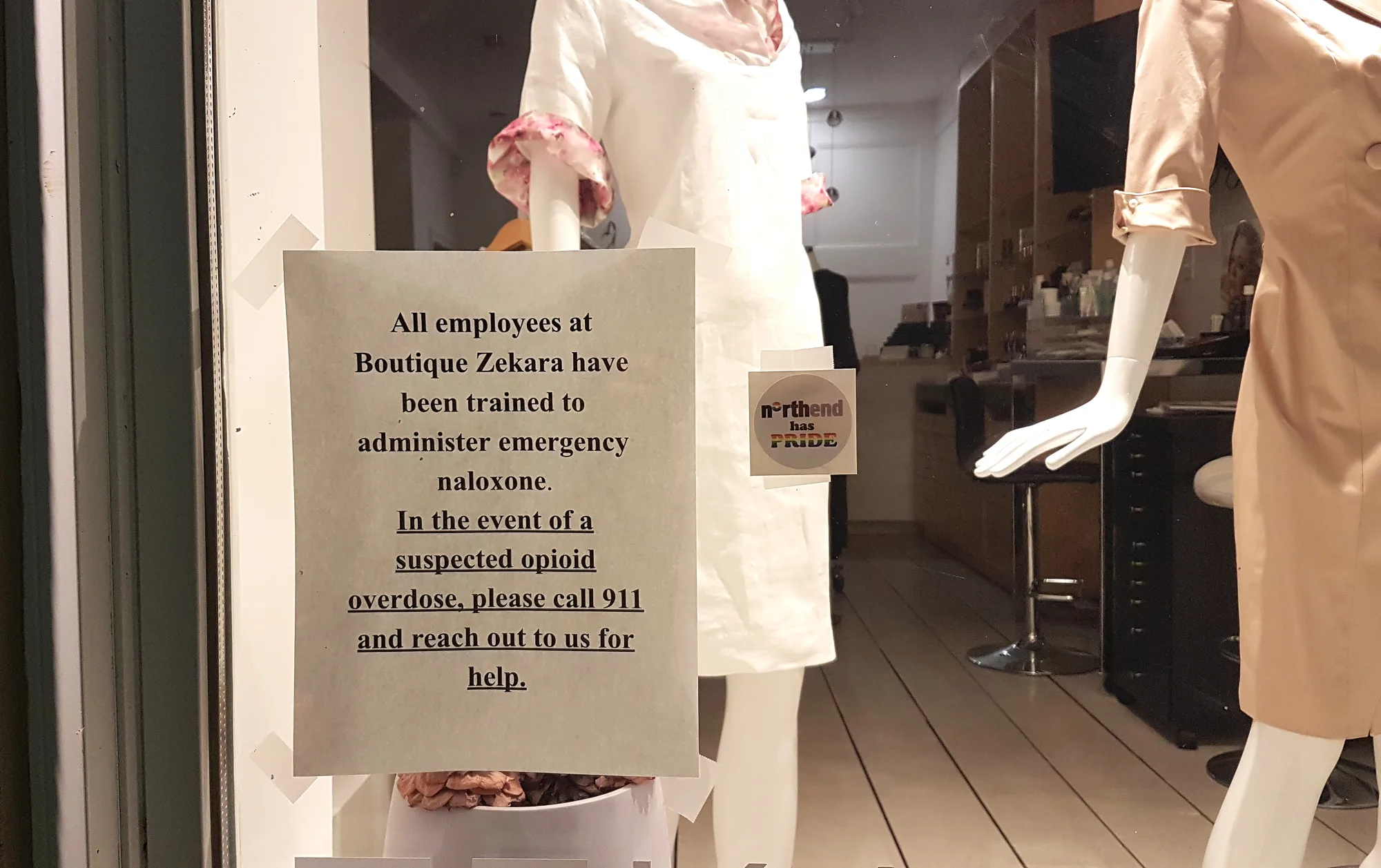
The Northwestern Health Unit (NWHU) has confirmed that a newly identified synthetic opioid, clodesnitazene, is present in the unregulated drug supply in the Kenora, Ontario area, after more than 60 suspected drug poisonings were reported over two days in mid-September 2026. The health unit said Health Canada confirmed a sample collected in the region on May 15, 2026 tested positive for clodesnitazene -- a "new" nitazene-class opioid of unknown strength -- alongside ethylbromazolam, carfentanil, medetomidine, caffeine, and dimethylsulphone. The finding is most directly relevant to community pharmacies and harm-reduction services in Northwestern Ontario, which the health unit names as local naloxone and drug-checking-strip distribution points, but the broader pattern is relevant to any pharmacy dispensing naloxone kits in a region with an unpredictable illicit drug supply.
The health unit said clodesnitazene was first detected by Toronto's Drug Checking Service in late April 2026 before turning up in the Kenora-area sample about three weeks later, noting this "may imply we could be seeing substances found in larger centres, like Toronto, in our region, much quicker than previously thought." The poisonings required multiple doses of naloxone and were not always reversible, and the health unit specifically warned that medetomidine, an animal tranquilizer increasingly found mixed into the opioid supply, has sedative effects that persist after naloxone is given and can require airway support beyond what naloxone alone provides. Separately, NorWest Community Health Centres issued its own alert after an OxyContin pill tested positive for etonitazene, a nitazene roughly 50 times more potent than fentanyl, and the health unit issued a further alert on September 15 covering increased poisoning risk from substances sold as cocaine and hydromorphone in Red Lake. The region recorded 17 suspected drug-related deaths between May 1 and August 25, 2026.
Practice guidance for pharmacists
- If your pharmacy is a designated naloxone distribution point in Northwestern Ontario or a similarly affected region, confirm your take-home naloxone kit stock and consider whether extra doses per kit are warranted given reports that these poisonings often require multiple doses to reverse.
- When counselling on naloxone use, note that a person who does not respond fully to naloxone, or who remains heavily sedated despite it, may have been exposed to a non-opioid sedative like medetomidine and needs emergency medical attention regardless of how much naloxone has been given.
- Reinforce the basic safer-use messaging the health unit is circulating: don't use alone, have naloxone on hand, and call 911 immediately for any suspected overdose, reminding patients that the Good Samaritan Drug Overdose Act offers legal protection to the person who calls.
- If your pharmacy supplies drug-checking strips or is aware of a local drug-checking service, mention this option to patients who use unregulated drugs, since new nitazene analogues like clodesnitazene are not reliably detected by standard fentanyl test strips.
- Report any unusual overdose presentations your pharmacy becomes aware of (poor response to naloxone, prolonged sedation) to your local public health unit, since regional surveillance is what identified this substance in the first place.
The Northwestern Health Unit says the situation remains fluid, with alerts issued in Kenora, Ignace, Atikokan, and Red Lake within the same week. Pharmacy and harm-reduction teams elsewhere in Ontario should watch for similar detections, since the health unit's own release noted that novel nitazene analogues have reached the region faster than expected after first appearing in Toronto's drug-checking data.
References
- Drug alerts issued in northwestern Ontario after 60-plus poisonings — CTV News, reporting a Northwestern Health Unit news release, CTV News Northern Ontario (accessed Sep 20, 2026)