BC PharmaCare Flags Adhesion Problems With Menopausal Hormone Therapy Patches
BC's Ministry of Health says it is investigating reports that menopausal hormone therapy patches -- covered free under PharmaCare since March -- aren't sticking properly, and is giving pharmacists specific guidance on how to handle a loose patch and document a replacement.
In this article & details
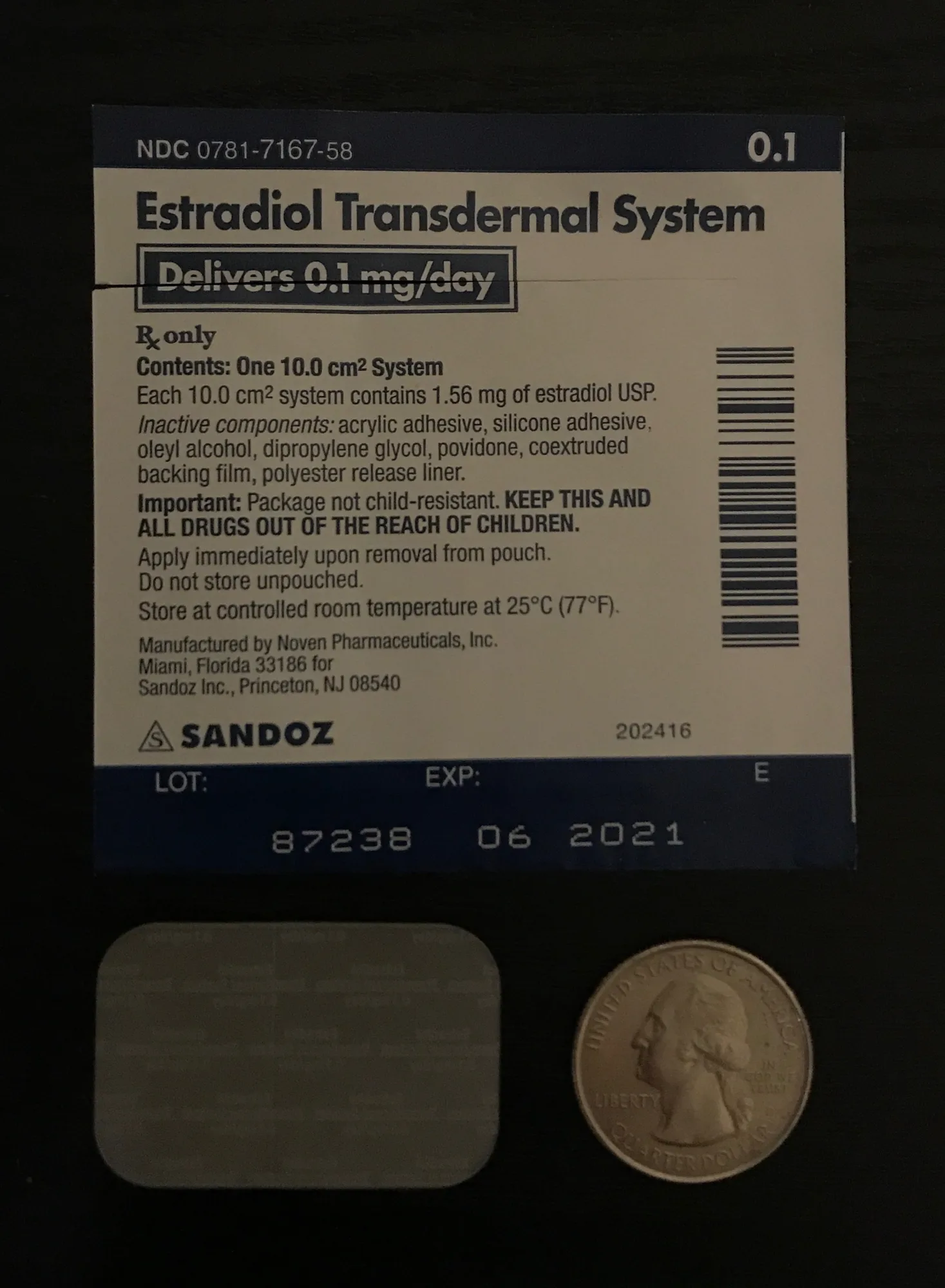
British Columbia's Ministry of Health has told the province's pharmacists it is looking into reports that menopausal hormone therapy (MHT) transdermal patches are not adhering to skin properly, according to the September 2, 2026 edition of the PharmaCare Newsletter. The patches are fully covered under PharmaCare's Plan NP, which began covering MHT for an estimated 160,000 eligible B.C. residents on March 1, 2026.
Key takeaways
- PharmaCare says it is "exploring the issue" of MHT patches reportedly coming loose before a patient's scheduled change date.
- Pharmacists are asked to confirm patients are using correct application technique, and to encourage reapplying a loose patch to a fresh site rather than discarding it.
- Patients can safely apply a replacement patch to a new site and simply resume their regular change schedule -- they do not need to restart the cycle.
- Affected patients are being directed to file Health Canada's Health Product Complaint Form so the adhesion issue can be formally tracked.
What to do when a patient reports a loose patch
The newsletter item gives pharmacists concrete steps. First, confirm the patient is following best-practice application: applying to clean, dry, unbroken skin, avoiding lotions or oils near the site, and pressing the patch firmly in place for the recommended time after application. If the patch has already come loose, reassure the patient it is safe to apply a new patch to a fresh site and keep their regular change date -- they should not try to re-stick the original patch with tape or bandages.
When a replacement is dispensed because of a loose or failed patch, PharmaCare is asking pharmacists to use the "MR-Replacement, item lost or broken" code in PharmaNet, which allows the pharmacy to be reimbursed for the extra fill.
Why this matters
MHT became a zero-deductible PharmaCare benefit for menopausal symptoms only this spring, and uptake has been substantial. An adhesion problem across a high-volume benefit like this has both a patient-safety dimension -- a patch that isn't delivering its full dose reliably -- and a workflow dimension, since pharmacists need to code replacement claims correctly to avoid absorbing the cost themselves. The Ministry has not named a specific manufacturer or brand in the notice.
Practice guidance for pharmacists
- Ask proactively at MHT patch refills whether patients have noticed any patches lifting or falling off, rather than waiting for a complaint.
- Review correct application technique with every new MHT patch patient: site rotation, avoiding lotions/oils, and firm application pressure.
- Use the "MR-Replacement, item lost or broken" PharmaNet code specifically for adhesion-related replacements so the claim is processed correctly.
- Encourage affected patients to complete Health Canada's Health Product Complaint Form (FRM-0317) so the scale of the problem can be tracked provincially and federally.
- Document which brand and lot number was dispensed when a patient reports a failure, in case a pattern points to a specific manufacturer.
What's next
PharmaCare has not published a timeline for resolving the investigation. Pharmacists should watch subsequent PharmaCare Newsletter editions for an update or a specific product recall if the issue is traced to a particular manufacturer.
References
- BC PharmaCare Newsletter, Edition 09-026: September 2026 — BC Ministry of Health, Published Sep 2, 2026